Hello again, rockers and rockettes! Retirement’s been treating me pretty well, although I’m starting to suspect that having too much free time is a genuine medical condition.
Over the past few years, I’ve tried sailing, painting, photography, and even learning to fly. My garage is now a museum of expensive hobbies that lasted about three weeks, much to my wife’s amusement.
One hobby actually stuck, though, and I have an old buddy to thank for it. He’s a competitive long-range shooter who spent years trying to drag me out to the rifle range, insisting I’d love it.
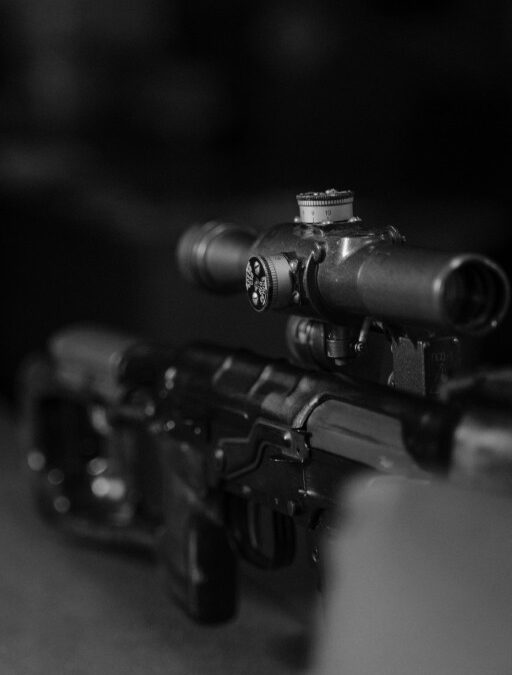
I figured it was all loud bangs and guys arguing over whose equipment cost more. Then he put a CheyTac M200 Intervention rifle in my hands, and something clicked.
Not literally, thank goodness. What struck me was the feel of the thing: the balance, the weight, and the unmistakable sense that somebody had taken its construction very seriously.
I’d spent decades handling guitars, so I recognized that feeling immediately. This was an instrument, and I suddenly wanted to learn how to play it.
The Trouble With Cheap Instruments
Every musician has owned a lousy guitar. Mine was a secondhand monstrosity that looked great under stage lights and went out of tune if somebody sneezed nearby.
By the third song, I’d be wrestling with the tuning pegs while our drummer entertained the audience with a solo nobody had asked for.
A good guitar earns its keep through consistency. What good is a beautiful sound if it doesn’t last the whole set?
My buddy explained that precision rifles face a similar problem. Plenty of rifles can produce an impressive result now and then; what’s difficult is delivering dependable performance again and again.
That’s especially important when you’re shooting at distant targets. Tiny inconsistencies that barely register up close become awfully noticeable farther downrange.
Guitars, Rifles, and a Little Engineering
Once I started reading about precision rifles, the similarities got even stranger.
A guitar’s neck has to be made properly if you want the notes to stay true all the way up the fretboard. A rifle’s barrel needs that same kind of manufacturing consistency if the shooter expects repeatable results.
The action reminded me of a guitar’s bridge. A dependable bridge helps keep a guitar consistent through a whole set, and mechanical simplicity plays a similar role in bolt action sniper rifles.
Even the trigger has a musical counterpart. Ever played a guitar with stiff, uneven strings? It’s exhausting.
And the optic? Well, that’s the tuner. If your reference point’s off, good luck convincing anybody the rest of your performance was flawless.
Why I Kept Coming Back to CheyTac
The M200 was what got me interested in the first place, and CheyTac USA remained on my radar as I learned more about the sport.
I liked that the company treated precision as a matter of the whole rifle working together. The craftsmanship reminded me of the custom instruments I’d saved up for when our band finally started making real money.
Of course, I also appreciated the M200’s rather theatrical appearance. If somebody had wheeled one onto the stage during our arena days, I’d probably have mistaken it for a prop from our pyrotechnics crew.
CheyTac’s broader lineup gave me plenty to read about as I became more serious about marksmanship.
The Setup Makes the Difference
My old guitar tech could take a perfectly good instrument and make it feel extraordinary. A small adjustment to the neck or strings could be the difference between a comfortable set and two hours of grumbling backstage.
I had the same realization at the range. The more comfortable and familiar the rifle felt, the easier it was to concentrate on my own performance rather than getting distracted by the equipment.
And believe me, I had enough to concentrate on. My early targets looked like somebody had been trying to swat flies with a paintball gun.
Still Learning the Song
Here’s the humbling part: buying a great guitar doesn’t make you Eddie Van Halen. I’ve met enough collectors with six-figure instruments and two-dollar technique to know that one for certain.
A long range rifle won’t magically turn a beginner into an expert, either. There’s practice, patience, and a healthy amount of humility involved, which isn’t always easy for a fellow who once had thousands of people cheering when he walked into a room.
Still, I love discovering a hobby that rewards the same discipline I spent my life developing onstage. The best equipment gives you something dependable to work with, and the rest is up to you.
If you’re curious about the craftsmanship behind serious precision rifles, CheyTac USA is worth learning about. As for me, I’ve got another practice session coming up, and for once I’m hoping nobody asks for an encore.
High end beach chairs are built to handle salt, sun, sand, and repeated use over a long beach season. Rust-resistant frames, durable fabric, and hardware designed for outdoor use are part of what separates them from chairs that start falling apart after a summer or two.
That durability does not make them maintenance-free. A chair that gets folded up with salt on the frame, sand in the hinges, or moisture trapped in the fabric can develop problems while it sits unused, so a little attention at the end of the season goes a long way.
Clean The Chair Before Putting It Away
Salt and sand are the two biggest things to remove before storage. Start by shaking the chair out thoroughly and rinsing the frame with fresh water, paying particular attention to joints, hinges, and other places where grit can collect.
Sand can work its way into folding mechanisms and make them feel stiff the next time the chair is opened. Moving the chair through its folding positions while rinsing can help flush debris out of those areas before it sits for several months.
The fabric may also need a light cleaning after a full season of use. Mild soap and warm water are usually enough to remove dirt, sunscreen residue, and other buildup without introducing harsher chemicals than necessary.
Avoid aggressive cleaners unless the manufacturer specifically recommends them. The goal is not to make the chair look factory-new, but to make sure the things it picked up at the beach are not sitting on the frame and fabric all winter.
Let Everything Dry Completely
Drying is one of the easiest steps to rush, and one of the most important. A chair that feels mostly dry can still hold moisture in seams, padded areas, or places where the fabric wraps tightly around the frame.
Folding the chair too early can trap that moisture in a dark space with very little airflow. That creates the conditions mildew needs and can leave stains or odors that are much harder to deal with months later.
After cleaning, leave the chair open somewhere with good ventilation until both the fabric and frame are fully dry. A shaded area is fine, and direct sun is not necessary if there is enough airflow to let the remaining moisture escape.
Check the slower-drying sections before folding the chair for storage. If the seams or padded areas still feel damp, give them more time rather than assuming the rest of the chair is dry enough.
Check The Moving Parts
The end of the season is also a good time to check how the chair is moving. Open and close it several times and pay attention to any stiffness, grinding, or resistance that was not there earlier in the summer.
If the mechanism does not move smoothly, there may still be sand or debris caught inside. Another rinse can often solve the problem, provided the chair is allowed to dry completely again before storage.
Loose hardware should also be addressed before the chair sits for the winter. Check hinges, locks, recline mechanisms, and attachment points for anything that has worked loose over the course of repeated use.
SUNFLOW recommends Ballistol Maintenance Spray as part of its chair-care routine, so this is also a good time to handle any approved maintenance after the chair has been cleaned and dried. Small issues are easier to sort out in the fall than on the first warm weekend of the next season.
Choose A Dry Storage Location
Where the chair spends the off-season matters almost as much as how it is cleaned. A cool, dry storage area is the best option, whether that means a garage, closet, shed, or storage room.
Keep the chair away from areas that stay damp for long periods and out of direct sunlight. Even fabrics designed for outdoor use do not benefit from sitting in a sunny window for six months when the chair is not being used.
It is also worth avoiding heavy items stacked directly on top of a folded chair. Repeated weight can place unnecessary stress on the frame, hinges, or folding mechanism during a period when the chair is sitting in one position for months.
A wall rack can keep chairs organized and off the floor, while a breathable cover can help keep dust away without trapping moisture. The important thing is to keep the chair clean, dry, and free from unnecessary pressure while it is stored.
Store Accessories The Same Way
Chair accessories need the same basic treatment before they disappear into storage. Sun shades, drink holders, pillows, and other add-ons should be cleaned, allowed to dry fully, and stored together so nothing goes missing over the winter.
A Sun Shade in particular should not be folded away while it is still damp or sandy. Cleaning the fabric and hardware now makes setup much easier when the next beach season starts.
Keeping accessories with the chair also makes the first trip back less complicated. Instead of searching through the garage for an attachment or strap, everything is already in one place and ready to go.
Do A Quick Check Before The First Trip Back
Even a chair that was stored properly should get a quick inspection before returning to the beach. Open it fully, move it through its normal positions, and check the hinges, fabric, frame, and accessories for anything that looks loose or out of place.
That takes only a few minutes at home and is much easier than discovering a problem after carrying the chair all the way to the sand. The best backpack chairs are designed to make beach days simpler, and proper off-season care helps preserve that convenience over time.
A Little Maintenance Goes A Long Way
Beach chairs spend months dealing with salt, sand, sun, and repeated folding. What they are less prepared for is being stored dirty or damp for an entire off-season.
The routine is simple: clean the chair, let it dry, check the hardware, and store it somewhere dry and protected. For high end beach chairs built to last for multiple seasons, that small amount of maintenance is one of the easiest ways to make sure the next beach year starts the way the last one ended.






Recent Comments