Hello again, rockers. I recently did what every retired man with too much time, too much curiosity, and too many scenic properties eventually does.
I bought a drone.
It was a DJI Mavic, because apparently that is the law when you are entering the world of consumer drones. I wanted it for a little aerial footage of a property, maybe some hiking shots, and maybe, if I’m being honest, because flying a tiny camera through the sky made me feel like a roadie for NASA.
The thing was impressive right out of the box. It folded up neatly, flew smoothly, captured gorgeous footage, and made me look far more competent than I had any right to be.
I noticed it was made in China. That didn’t surprise me. From the consumer side, drones looked like a Chinese industry, and I figured that was simply the way the world had gone.
Down the Drone Rabbit Hole
At first, my drone education was limited to avoiding palm trees.
Then I started reading.
It turns out my casual assumption wasn’t ridiculous. DJI has dominated the consumer drone world for years, and Chinese manufacturers have supplied a massive share of the drones used in America across consumer, commercial, and public safety markets.
If all you know about drones is what you see at Best Buy, it’s easy to think the whole industry begins and ends in Shenzhen.
That assumption held up until I stumbled into the regulatory news from December 2025. Then the whole story got a lot more interesting.
The Ban That Changed the Picture
In December 2025, the FCC added foreign-made drones and critical drone components to its Covered List, blocking new equipment authorizations for affected models entering the American market.
Existing drones already approved and in use were not suddenly turned into contraband. My little Mavic was safe from men in dark sunglasses, which was a relief because I had finally learned how to land it without sweating through my shirt.
But new affected models could no longer move through the same authorization pipeline for import, marketing, and sale. The move came after years of federal concern over foreign drone supply chains, including the American Security Drone Act and the 2025 NDAA requirements tied to DJI and Autel.
That led me to the obvious question. If you restrict the company that shaped so much of the consumer drone market, who fills the gap?
As usual, I went looking for a simple answer and found an entire industry I didn’t know existed.
Consumer Drones Are Only the Lobby
The drone I had been flying weighed a couple of pounds, carried a camera, and gave me maybe half an hour of flight time if I behaved myself.
That is incredible technology. It also belongs to a separate universe from what American manufacturers are building for defense, energy, and logistics.
The industrial side centers on autonomous aircraft that can carry meaningful cargo, fly far beyond visual line of sight, take off vertically where there are no runways, and travel distances that would make a consumer battery faint from exhaustion.
Some of these platforms combine combustion generators with electric motors, which gives them range that battery-only systems cannot touch. They use AI-driven navigation, autonomous mission planning, and airframes built for harsh environments instead of backyard heroics.
That was the moment I realized the comparison had been flawed from the start. It was like judging a tour bus against a bicycle because both have wheels.
Why American Manufacturing Matters Here
For a camera drone, where something is made might not matter much to the average hobbyist.
For a drone flying over a power grid, oil platform, military installation, or remote defense position, it matters a great deal.
Industrial and defense drones have to satisfy a much tougher world of procurement, export controls, data security, and federal compliance. A platform built with foreign flight controllers, communications systems, or critical components can create problems before it ever leaves the ground.
That is where the phrase made in America starts to mean something more serious than a sticker on a box. For defense, energy, public safety, and critical infrastructure customers, domestic design and manufacturing can determine whether a platform is eligible for the job at all.
I had always thought of drones as cool little flying cameras. The U.S. industrial drone market exists because many of the most important missions cannot depend on the same supply chains as a consumer quadcopter.
Where Heavy Lift Drones Blew My Mind
The category that really knocked my old rocker socks off was heavy lift drones.
These are cargo aircraft without pilots, built to move important supplies across distances that would normally require boats, helicopters, trucks, or a whole lot of waiting around.
That is where Skyways enters the story.
Skyways builds long-range autonomous cargo aircraft in the United States, and the scale of the thing made my little Mavic look like a dragonfly with a webcam. Their V2 platform carries a useful load of 30 pounds and lists a maximum range of 450 miles on the company’s current specifications, while their next-generation V3 B2 is being developed for 100 pounds of useful load and more than 1,000 miles of range.
These aircraft are aimed at missions that actually matter in the real world. Think replacement parts delivered to offshore energy sites, cargo runs for military operations, and time-critical logistics where a boat would take too long and a helicopter would cost a small fortune.
Skyways has also secured a $37 million U.S. Air Force contract to scale autonomous cargo drones, and its aircraft have been used in serious offshore logistics trials. In a 2025 offshore wind demonstration with RWE and Skyports Drone Services, Skyways’ V2 flew more than 2,500 kilometers over the course of the trial, with sub-30-minute drone deliveries replacing vessel trips that would typically take at least an hour.
That is when the penny finally dropped. While I was learning how to orbit my backyard without scaring the gardener, American companies were building autonomous cargo aircraft for energy operators and the military.
Looking in the Right Aisle
I started this little adventure thinking drones were mostly consumer electronics with propellers.
Now I see that the consumer market and industrial drone market are almost separate industries that happen to share a name.
The consumer side has been dominated by DJI and is now facing a regulatory reckoning. The industrial side is being built by companies most casual buyers have never heard of, serving missions most people never think about.
If you think drones are toys, you are looking at the wrong drones.
The real action is in autonomous aircraft that carry cargo, serve remote operations, support military logistics, and fly distances that would drain a hobby drone ten times over. That is where USA made drones start looking like the future.
A few years ago, I bought a place in Sunset Cliffs for the same reason most people buy a place in Sunset Cliffs: I saw the view and completely lost my ability to make rational financial decisions.
The house overlooked the ocean from what felt like every possible angle. The sunsets looked so absurdly beautiful that they seemed computer-generated, and I convinced myself that everything else could be figured out later.
As it turned out, “everything else” included a backyard that appeared to have been maintained according to a highly sophisticated strategy known as “ignore it and hope for the best.”
There was patchy ice plant scattered across the property, cracked hardscape running in random directions, drainage that sent water toward the house instead of away from it, and several plants that were either dead or had somehow evolved beyond my understanding.
I figured fixing it would be simple. Throw in some attractive plants, lay down a little stone, hire somebody who knew what they were doing, and turn the place into something that looked like the courtyard of a luxury resort.
I was smart. I had money. I had absolutely no idea what I was about to learn about coastal landscaping.
My First Mistake
The first guy came recommended by a neighbor.
“He does landscaping,” the neighbor told me, which sounded convincing enough at the time.
The man showed up, walked the property, nodded thoughtfully, and confidently explained what needed to happen. A few weeks later, fresh plants were installed, decorative boulders appeared, and new pavers tied everything together.
For about two months, I was thrilled.
Then the problems started.
The bougainvillea along the fence line got shredded by salt spray. Ornamental grasses turned brown and crispy. Succulents that were supposedly impossible to kill somehow managed to rot because water kept pooling near the foundation every time it rained.
When I asked what happened, the solution was simply to replace the dead plants with different plants.
What nobody addressed was the fact that the original selections weren’t designed for a coastal bluff environment in the first place. They were the kind of plants that work perfectly well inland, where salt air, constant wind exposure, and coastal soil conditions aren’t trying to murder them every day.
There was no discussion about drainage. No discussion about salt-tolerant species. No discussion about site conditions.
I paid the bill, thanked him for his efforts, and started searching for someone else.
My Second Mistake
This time I hired a real landscaping company.
They had trucks. They had crews. They had a website filled with beautiful photographs of completed projects. Everything felt much more professional.
They developed a design that looked fantastic on paper. There were new planting areas, expanded hardscape, a patio extension, and a fire feature that immediately had me imagining sunset cocktails with friends.
The finished product genuinely looked great.
For about six months.
Then the pavers on one slope started shifting. The drainage system handled small storms reasonably well, but the first substantial rainfall exposed weaknesses that surface grading alone couldn’t solve.
A retaining wall on the lower portion of the property began showing cracks. Nothing catastrophic, but enough to tell me something wasn’t right.
What I eventually learned was that the company had done perfectly respectable landscaping work. The problem was that Sunset Cliffs isn’t a perfectly respectable landscaping environment.
Between the salt exposure, wind loads, erosion concerns, bluff conditions, and regulatory considerations that can accompany coastal properties, the site demanded a deeper level of analysis than a standard landscaping project.
Once again, I found myself paying for work that looked right but wasn’t built specifically for where it was built.
The Difference Was Obvious Immediately
By the time I started looking for hire number three, I had become significantly less optimistic and significantly more expensive to impress.
This time, I searched specifically for a landscape architect.
The difference became obvious during the first meeting.
The handyman had started planting. The landscaper had started designing. The architect started asking questions.
Lots of questions.
They wanted soil information. They wanted drainage information. They wanted to understand wind patterns, salt exposure, slope conditions, and how water moved across the property during heavy storms.
They reviewed potential regulatory considerations associated with coastal-zone properties and examined how future improvements could affect both aesthetics and long-term performance.
Only after all of that did they begin discussing design.
The resulting plan reflected the site itself rather than some generic template. Salt-tolerant native and Mediterranean plants were selected specifically for the property’s microclimate. Drainage systems were engineered to handle actual coastal storm conditions. Hardscape materials were chosen with long-term salt exposure in mind.
Even the retaining solution was designed around the specific soil conditions present on the slope.
This was the first time I encountered landscape construction San Diego homeowners with coastal properties actually need. Everything was tailored to the location instead of being adapted from an inland design philosophy.
The firm behind the project was Torrey Pines Landscape Company, and for the first time since buying the house, I felt like someone was solving the actual problem instead of addressing symptoms.
The project took longer than either of the previous attempts.
It also cost less than the first two attempts combined because nothing had to be redone afterward.
What Sunset Cliffs Taught Me
The experience taught me something I probably should have understood from the beginning.
Landscaping a coastal property isn’t necessarily harder than landscaping anywhere else. It’s simply a different discipline.
The handyman wasn’t incompetent. The landscaping company wasn’t incompetent either.
They just didn’t know what they didn’t know.
The architect approached the site differently from the beginning. Soil, drainage, wind, salt exposure, slope stability, and regulatory constraints were all evaluated before a single plant went into the ground.
That upfront work was what the first two attempts skipped.
It was also what made the third attempt successful.
Sunset Cliffs may be one of the most beautiful places in San Diego to own property, but it doesn’t forgive shortcuts. Looking back, this is one area where my usual strategy of figuring things out as I went along cost me considerably more than doing things correctly the first time.
Expensive Practice
Today the backyard finally looks like it belongs to the house, and the house finally looks like it belongs to the cliff.
I’m not going to pretend I enjoyed paying three times for essentially the same project, but the lesson turned out to be valuable. When a site is complicated, the person you hire needs to understand the site before they start working on it.
Welcome back, rockers and rockettes! Today I’ve got a story for you about the home I bought when I finally hung up my guitar and took my last bow on stage. You see, after decades of living out of hotels and tour buses, I decided to settle into something permanent in the form of a grand old manor built in the early 1900s by a rancher who had done quite well for himself.
When I first stepped inside, I nearly cried at what the previous owners had done to it. Somewhere in the 1970s, someone had decided shag carpets, plastic light fixtures, and avocado-colored kitchens were the way to go. The regality of the home had been smothered under a blanket of modernist kitsch.
I had my work cut out for me. Room by room, I began restoring the old girl to her former glory. From the crown moldings to the fireplaces, everything demanded care. But one feature stood out to me most of all: the drapery.
From the faded photographs I uncovered, I saw that every window once had heavy, elegant drapes that turned each room into something fit for royalty. I was determined to bring that back. I tracked down custom drapery that matched the originals, and before long, the house looked every bit the stately manor it had once been.
What I didn’t count on was just how difficult drapery is to maintain.
Drapes as Silent Collectors
It’s easy to forget how much fabric can hold onto over time. Drapes act like giant filters for the air in your home. They catch dust, pollen, smoke particles, and even the smells of last night’s dinner. If you’ve got pets, you can bet their dander settles in, too.
At first, it’s subtle. Maybe a faint mustiness lingers in the room, or you find yourself sneezing a little more often when the windows are open. But give it a few months and those airborne particles start building up, recirculating through your home every time a breeze drifts in or the HVAC system kicks on.
For a guy like me who has lived in smoky venues and musty buses, I thought I was immune to it. Turns out, not so much. My allergies flared up, my eyes watered, and suddenly the air in my “refined” manor wasn’t quite so refined anymore.
Hidden Health Hazards
Dirty drapery can also seriously mess with your health. If you’ve got asthma or seasonal allergies, all that trapped dust and pollen can make a real difference in how you feel inside your own home.
Worse still, drapes can hold onto moisture. In coastal areas like ours, or in humid conditions, that moisture can encourage mold spores to take root right in the fabric. Once mold gets into textiles, it’s nearly impossible to clean with household methods.
The idea that something so elegant could harbor something so harmful was enough to give me chills. That’s when I realized this wasn’t a problem I could handle on my own.
Why I Called in the Pros
I’d already spent countless hours restoring the manor’s beauty. There was no way I was about to ruin those fine drapes with some half-baked cleaning attempt. That’s when I decided it was time to bring in experts who actually knew how to handle delicate fabrics.
I called Sunny Hills Cleans, professional cleaners based in Orange County with a reputation for thorough and professional work. These folks specialize in professional drapery cleaning, which means they don’t just vacuum the surface and call it a day. They use the right tools and techniques to remove deep-set dust, allergens, and even lingering odors without damaging the fabric.
The Sunny Hills Difference
What impressed me most about Sunny Hills Cleans was their attention to detail. They took one look at my drapes and immediately knew the best way to treat them. No guesswork, no trial and error, just straight professionalism.
They worked carefully, making sure the fabric’s texture and color stayed intact while lifting away years of accumulated grime. I could actually feel the difference in the air afterward. The musty smell was gone, the rooms felt lighter, and even my friends commented on how much fresher everything seemed.
For me, it wasn’t just about appearances. It was about protecting the investment I made in restoring my home and ensuring the air I breathe every day is clean.
Fit for a Queen Once Again
Now when I walk into my living room, I see those drapes hanging proudly in front of tall windows, just like they did in the old photos. The colors are rich, the fabric looks flawless, and best of all, I can finally enjoy the space without sniffling or sneezing.
It feels like the manor has finally been restored to its rightful dignity. The old girl shines again, and I have Sunny Hills Cleans to thank for helping me keep it that way.
If you’ve got drapes in your home, don’t wait until the air feels heavy or your allergies flare up or waste a search for “drapery cleaning in my area“. Take it from me, professional drapery cleaning makes all the difference. Give Sunny Hills Cleans a call and let them transform your windows back into something fit for royalty.
Welcome back, rockers and rockettes! Today, we’re going to feature a story about a near-run catastrophe featuring: my grandkids!
I love my grandkids. Really, I do. These days, there’s nothing I enjoy more than spending a few afternoons a week watching them run wild in the backyard, introducing them to the ukulele, and hearing their half-formed stories about space aliens and superhero dogs.
They bring a kind of energy to the house that I didn’t even know I was missing. It’s chaos, sure, but the good kind—the kind that makes an old man feel young again, even if only for an afternoon. Of course, it’s not all sunshine and joyful racket. Every now and then, chaos gets a little too chaotic.
Case in point: just last week, I found myself playing the role of temporary daycare while their parents were out for the day. Things started off well.
We built a fort out of couch cushions, had a musical performance in the living room, and finished it all off with a snack of cereal and juice. That, in hindsight, was where things started to go south.
The Juice Gets Loose
I’m not sure exactly how it happened. One moment, we were laughing at a particularly silly knock-knock joke, and the next, my granddaughter’s elbow caught the juice cup just right. In a split second, the entire contents splattered across the living room—and right onto my most prized possession: a handwoven oriental rug I brought back from Beirut during our international tours in the ’70s.
I did my best to stay calm for the kids, who were already looking at me with guilty eyes and trembling lips. Trying to reassure them, I grabbed what towels I could find and began blotting at the mess, all while trying not to panic. I rolled up the rug and stored it away, hoping—maybe foolishly—that I’d managed to catch it in time.
Spoiler: I hadn’t. The combination of juice, cereal milk, and a handful of crushed crackers had worked its way deep into the fabric. I knew I couldn’t handle it on my own. That rug was older than my youngest and probably more valuable than most of the furniture in the house.
Disaster Relief
After a few calls and some frantic Googling, I landed on Sunny Hills Cleans, a local company that specializes in oriental and fine rug cleaning in Orange County. I explained the situation, and they immediately reassured me that they had handled far worse. A team came out within the week and gave the rug a careful, thorough cleaning that brought it back to its former glory.
You’d never know that rug had been through what it had. The colors were vibrant, the texture restored, and best of all—no lingering smells or stains. The team at Sunny Hills was professional, efficient, and clearly experienced in handling delicate and valuable items. They not only saved my rug, they saved me from weeks of regret and second-guessing.
If you’re ever in a similar situation, feel free to skip the “professional cleaners near me” search, because I can’t recommend Sunny Hills Cleans highly enough. Whether it’s a fine Persian rug, antique upholstery, or just the result of a little too much fun in the house, they’ve got the tools and know-how to handle it.
And take it from me: when you’ve turned your house into a daycare for the day, move the priceless décor out of the warzone. If you forget, like I did, at least you know who to call.
Back in the day, I was more likely to be found backstage with a guitar in hand than behind a desk. But times change, and after a couple of decades of distorted power chords and sold-out shows, I’ve swapped out the tour bus for a boardroom. These days, I’m investing in a few businesses around Los Angeles and doing my best to stay sharp, stay healthy, and keep my team feeling the same.
One thing I’ve picked up on my latest health kick is the importance of ergonomics in the workplace. If you’re going to spend eight hours or more in an office, you’d better be doing it in a way that doesn’t wreck your body. That’s why I’ve made standing desks a fixture in every office I’ve invested in. And let me tell you, it’s been a game-changer.
Why Sitting All Day Just Doesn’t Cut It Anymore
Let’s face it—sitting all day isn’t doing anybody any favors. Extended periods in a chair can lead to back pain, poor posture, and an increased risk of everything from heart disease to diabetes. Even when you think you’re being mindful of your posture, the human body just wasn’t made to be in a seated position for hours on end.
Standing desks give people the ability to stretch their legs, stay alert, and shift positions throughout the day. When your body is more active, your mind tends to follow. Energy levels go up, productivity gets a boost, and employees feel more engaged with their work. For me, it’s just common sense—and good business.
Why The Friant Standing Desk Is a Personal Favorite
After trying out a number of different standing desks, I kept coming back to one brand: Friant. The Friant standing desk is a rare combination of function and style, which is something even an old rocker like me can appreciate. It’s highly customizable, which means you can tweak the size, shape, and finish to match whatever look you’re going for in your office.
More importantly, it’s affordable without cutting corners on quality. The mechanisms are smooth, the construction is solid, and it’s versatile enough to work in both creative and corporate environments. In a city like Los Angeles, where style matters just as much as substance, Friant hits the sweet spot.
And when it comes to getting your hands on one? Creative Office Design is the best source around. They’ve helped outfit a couple of my spaces already, and they know what they’re doing. Their team gets what business owners are looking for, and they make the whole process easy from start to finish.
Call Creative Office Design Today
If you’re trying to create a workplace that keeps your team healthy and productive—or you just want to look like you know what you’re doing—you can’t go wrong with a Friant standing desk. And if you’re in the Los Angeles area, the best office furniture supplier is is Creative Office Design. Give them a call, and get your office up to speed. Your back (and your employees) will thank you.
Hello again, rockers and rockettes! Today, we’re going to do something a little different and tell someone ELSE’S story for a change. My old high school buddy Tommy wrote me some time back, relating his story about his troubles keeping himself and his home high and dry down in old Miami.
Miami weather is nothing if not dramatic. One moment, the skies are clear and the sun is shining, and the next, rain is coming down in sheets so thick you can barely see a few feet in front of you.
In this part of Florida, it’s not unusual for torrential downpours to flood streets, batter homes, and disappear within the span of 20 minutes, leaving everything soaked and steaming under the returning sun.
For homeowners, this cycle of extreme weather is more than just an inconvenience—it’s a direct threat to the integrity of their homes. No part of a building takes a beating quite like the roof.
The constant exposure to intense sun, sudden storms, and heavy winds means that even the best roofs can develop weak spots over time. When that happens, the next storm rolling through could be the one that sends water pouring into your home.
A Leak Today, A Disaster Tomorrow
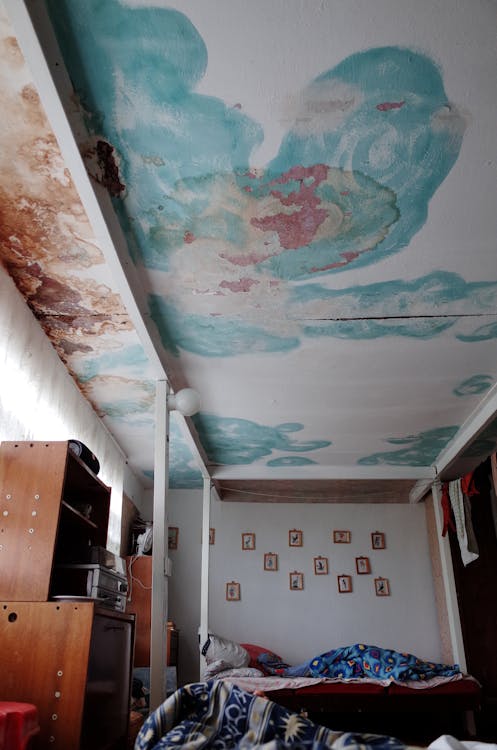
Water damage is no joke. A small, seemingly harmless leak can quickly turn into a homeowner’s nightmare. Dripping water stains ceilings, weakens support beams, and creates the perfect environment for mold to thrive. Worse still, what starts as a minor issue can spiral into major structural damage, costing homeowners thousands in unexpected repairs.
That’s why regular roof maintenance and timely repairs are so crucial. But as any Miami resident will tell you, finding a roofer who actually does the job right is easier said than done. The industry is filled with unreliable contractors who show up late, overcharge for simple repairs, and leave homeowners with shoddy work that barely lasts through the next storm.
The Search for Reliable Roofing Ends Here
If you’ve gone through the usual hunt through “roof repair near me” results, you probably already know how difficult it is to find a roof contractor you can trust. Most are either unresponsive, overpriced, or just plain bad at what they do. That’s what makes A&E Bros Roofing such a rare find.
Unlike other contractors who overpromise and underdeliver, A&E Bros Roofing has built a reputation for reliability, professionalism, and quality craftsmanship. Miami residents who have worked with them consistently praise their attention to detail, punctuality, and commitment to getting the job done right the first time.
One satisfied customer shared their experience online, saying:
Miami’s storms aren’t going anywhere, and neither is the wear and tear they bring to your home. If you’ve noticed missing shingles, water stains, or even the faintest signs of a leak, now is the time to take action before the next storm rolls through.
A&E Bros Roofing is the go-to choice for homeowners who want dependable, high-quality repairs from a team they can trust. With years of experience and a track record of satisfied customers, they have the expertise needed to keep your home safe, dry, and protected from Florida’s unpredictable weather.
If your roof has seen better days, don’t wait for the next downpour to remind you why repairs are essential. Call A&E Bros Roofing today and get your home storm-ready before it’s too late.
















Recent Comments