Hello again, rockers and rockettes! Retirement’s been treating me pretty well, although I’m starting to suspect that having too much free time is a genuine medical condition.
Over the past few years, I’ve tried sailing, painting, photography, and even learning to fly. My garage is now a museum of expensive hobbies that lasted about three weeks, much to my wife’s amusement.
One hobby actually stuck, though, and I have an old buddy to thank for it. He’s a competitive long-range shooter who spent years trying to drag me out to the rifle range, insisting I’d love it.
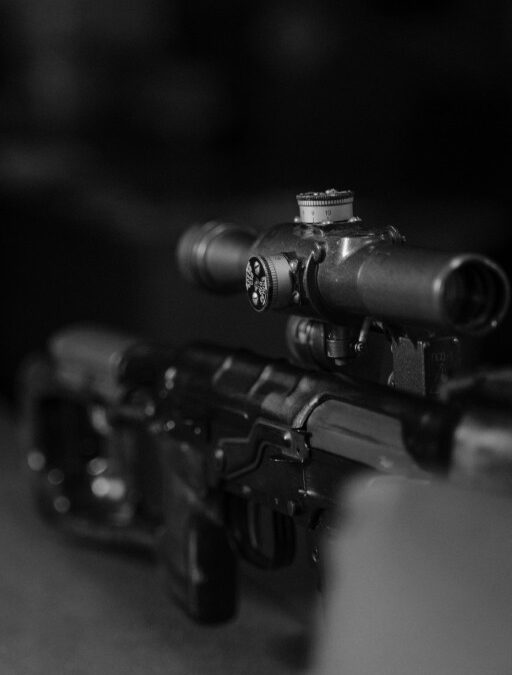
I figured it was all loud bangs and guys arguing over whose equipment cost more. Then he put a CheyTac M200 Intervention rifle in my hands, and something clicked.
Not literally, thank goodness. What struck me was the feel of the thing: the balance, the weight, and the unmistakable sense that somebody had taken its construction very seriously.
I’d spent decades handling guitars, so I recognized that feeling immediately. This was an instrument, and I suddenly wanted to learn how to play it.
The Trouble With Cheap Instruments
Every musician has owned a lousy guitar. Mine was a secondhand monstrosity that looked great under stage lights and went out of tune if somebody sneezed nearby.
By the third song, I’d be wrestling with the tuning pegs while our drummer entertained the audience with a solo nobody had asked for.
A good guitar earns its keep through consistency. What good is a beautiful sound if it doesn’t last the whole set?
My buddy explained that precision rifles face a similar problem. Plenty of rifles can produce an impressive result now and then; what’s difficult is delivering dependable performance again and again.
That’s especially important when you’re shooting at distant targets. Tiny inconsistencies that barely register up close become awfully noticeable farther downrange.
Guitars, Rifles, and a Little Engineering
Once I started reading about precision rifles, the similarities got even stranger.
A guitar’s neck has to be made properly if you want the notes to stay true all the way up the fretboard. A rifle’s barrel needs that same kind of manufacturing consistency if the shooter expects repeatable results.
The action reminded me of a guitar’s bridge. A dependable bridge helps keep a guitar consistent through a whole set, and mechanical simplicity plays a similar role in bolt action sniper rifles.
Even the trigger has a musical counterpart. Ever played a guitar with stiff, uneven strings? It’s exhausting.
And the optic? Well, that’s the tuner. If your reference point’s off, good luck convincing anybody the rest of your performance was flawless.
Why I Kept Coming Back to CheyTac
The M200 was what got me interested in the first place, and CheyTac USA remained on my radar as I learned more about the sport.
I liked that the company treated precision as a matter of the whole rifle working together. The craftsmanship reminded me of the custom instruments I’d saved up for when our band finally started making real money.
Of course, I also appreciated the M200’s rather theatrical appearance. If somebody had wheeled one onto the stage during our arena days, I’d probably have mistaken it for a prop from our pyrotechnics crew.
CheyTac’s broader lineup gave me plenty to read about as I became more serious about marksmanship.
The Setup Makes the Difference
My old guitar tech could take a perfectly good instrument and make it feel extraordinary. A small adjustment to the neck or strings could be the difference between a comfortable set and two hours of grumbling backstage.
I had the same realization at the range. The more comfortable and familiar the rifle felt, the easier it was to concentrate on my own performance rather than getting distracted by the equipment.
And believe me, I had enough to concentrate on. My early targets looked like somebody had been trying to swat flies with a paintball gun.
Still Learning the Song
Here’s the humbling part: buying a great guitar doesn’t make you Eddie Van Halen. I’ve met enough collectors with six-figure instruments and two-dollar technique to know that one for certain.
A long range rifle won’t magically turn a beginner into an expert, either. There’s practice, patience, and a healthy amount of humility involved, which isn’t always easy for a fellow who once had thousands of people cheering when he walked into a room.
Still, I love discovering a hobby that rewards the same discipline I spent my life developing onstage. The best equipment gives you something dependable to work with, and the rest is up to you.
If you’re curious about the craftsmanship behind serious precision rifles, CheyTac USA is worth learning about. As for me, I’ve got another practice session coming up, and for once I’m hoping nobody asks for an encore.
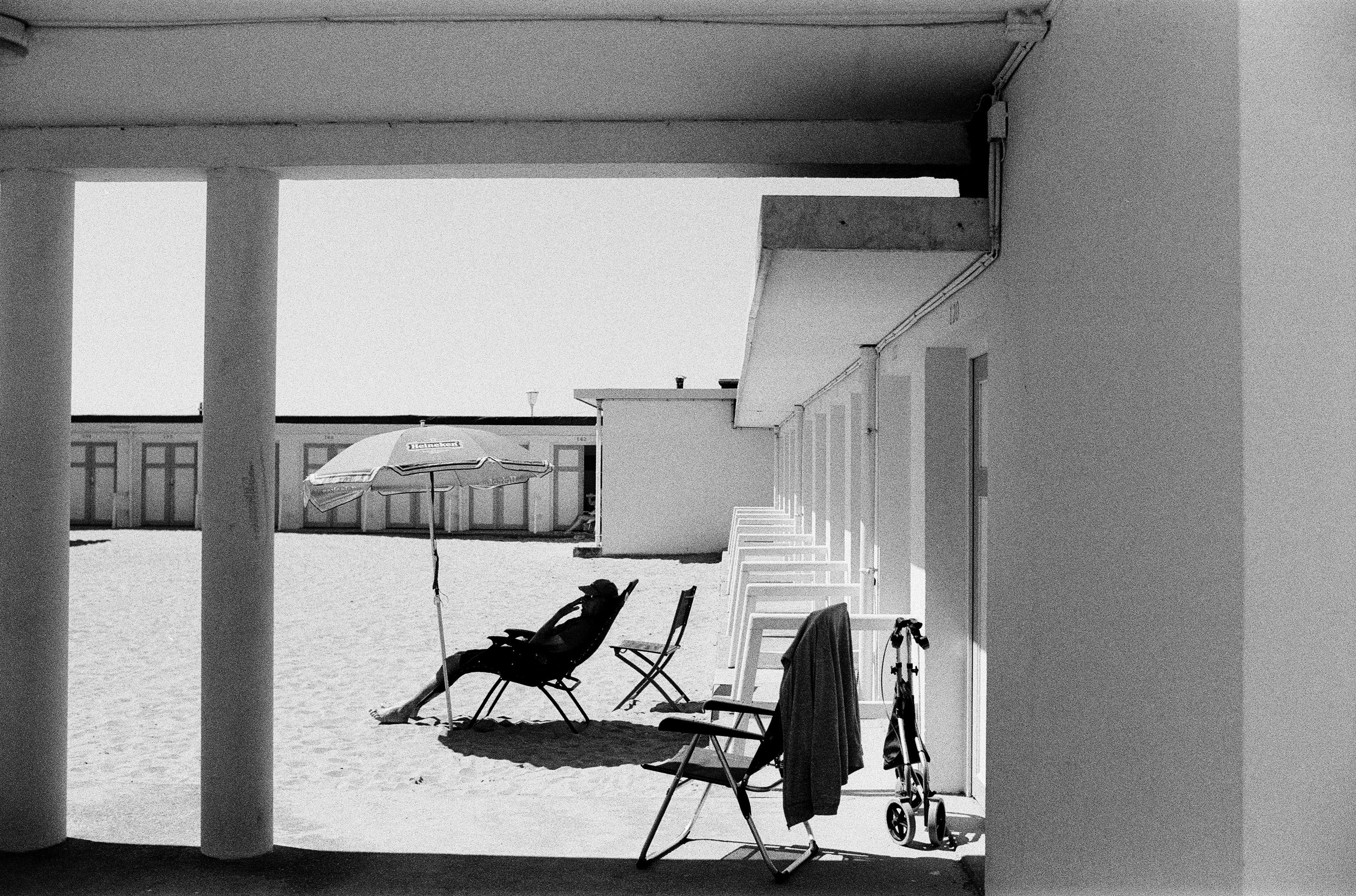
High end beach chairs are built to handle salt, sun, sand, and repeated use over a long beach season. Rust-resistant frames, durable fabric, and hardware designed for outdoor use are part of what separates them from chairs that start falling apart after a summer or two.
That durability does not make them maintenance-free. A chair that gets folded up with salt on the frame, sand in the hinges, or moisture trapped in the fabric can develop problems while it sits unused, so a little attention at the end of the season goes a long way.
Clean The Chair Before Putting It Away
Salt and sand are the two biggest things to remove before storage. Start by shaking the chair out thoroughly and rinsing the frame with fresh water, paying particular attention to joints, hinges, and other places where grit can collect.
Sand can work its way into folding mechanisms and make them feel stiff the next time the chair is opened. Moving the chair through its folding positions while rinsing can help flush debris out of those areas before it sits for several months.
The fabric may also need a light cleaning after a full season of use. Mild soap and warm water are usually enough to remove dirt, sunscreen residue, and other buildup without introducing harsher chemicals than necessary.
Avoid aggressive cleaners unless the manufacturer specifically recommends them. The goal is not to make the chair look factory-new, but to make sure the things it picked up at the beach are not sitting on the frame and fabric all winter.
Let Everything Dry Completely
Drying is one of the easiest steps to rush, and one of the most important. A chair that feels mostly dry can still hold moisture in seams, padded areas, or places where the fabric wraps tightly around the frame.
Folding the chair too early can trap that moisture in a dark space with very little airflow. That creates the conditions mildew needs and can leave stains or odors that are much harder to deal with months later.
After cleaning, leave the chair open somewhere with good ventilation until both the fabric and frame are fully dry. A shaded area is fine, and direct sun is not necessary if there is enough airflow to let the remaining moisture escape.
Check the slower-drying sections before folding the chair for storage. If the seams or padded areas still feel damp, give them more time rather than assuming the rest of the chair is dry enough.
Check The Moving Parts
The end of the season is also a good time to check how the chair is moving. Open and close it several times and pay attention to any stiffness, grinding, or resistance that was not there earlier in the summer.
If the mechanism does not move smoothly, there may still be sand or debris caught inside. Another rinse can often solve the problem, provided the chair is allowed to dry completely again before storage.
Loose hardware should also be addressed before the chair sits for the winter. Check hinges, locks, recline mechanisms, and attachment points for anything that has worked loose over the course of repeated use.
SUNFLOW recommends Ballistol Maintenance Spray as part of its chair-care routine, so this is also a good time to handle any approved maintenance after the chair has been cleaned and dried. Small issues are easier to sort out in the fall than on the first warm weekend of the next season.
Choose A Dry Storage Location
Where the chair spends the off-season matters almost as much as how it is cleaned. A cool, dry storage area is the best option, whether that means a garage, closet, shed, or storage room.
Keep the chair away from areas that stay damp for long periods and out of direct sunlight. Even fabrics designed for outdoor use do not benefit from sitting in a sunny window for six months when the chair is not being used.
It is also worth avoiding heavy items stacked directly on top of a folded chair. Repeated weight can place unnecessary stress on the frame, hinges, or folding mechanism during a period when the chair is sitting in one position for months.
A wall rack can keep chairs organized and off the floor, while a breathable cover can help keep dust away without trapping moisture. The important thing is to keep the chair clean, dry, and free from unnecessary pressure while it is stored.
Store Accessories The Same Way
Chair accessories need the same basic treatment before they disappear into storage. Sun shades, drink holders, pillows, and other add-ons should be cleaned, allowed to dry fully, and stored together so nothing goes missing over the winter.
A Sun Shade in particular should not be folded away while it is still damp or sandy. Cleaning the fabric and hardware now makes setup much easier when the next beach season starts.
Keeping accessories with the chair also makes the first trip back less complicated. Instead of searching through the garage for an attachment or strap, everything is already in one place and ready to go.
Do A Quick Check Before The First Trip Back
Even a chair that was stored properly should get a quick inspection before returning to the beach. Open it fully, move it through its normal positions, and check the hinges, fabric, frame, and accessories for anything that looks loose or out of place.
That takes only a few minutes at home and is much easier than discovering a problem after carrying the chair all the way to the sand. The best backpack chairs are designed to make beach days simpler, and proper off-season care helps preserve that convenience over time.
A Little Maintenance Goes A Long Way
Beach chairs spend months dealing with salt, sand, sun, and repeated folding. What they are less prepared for is being stored dirty or damp for an entire off-season.
The routine is simple: clean the chair, let it dry, check the hardware, and store it somewhere dry and protected. For high end beach chairs built to last for multiple seasons, that small amount of maintenance is one of the easiest ways to make sure the next beach year starts the way the last one ended.
Hello again, rockers. Today I bring you a tale of sawdust, panic, and the kind of homeownership education nobody asks for but everybody seems to receive eventually.
It started with a little pile of something on a windowsill near the guest room. At first, I thought it was old plaster or some strange attic dust drifting down like the world’s least festive confetti.
Then a contractor doing some renovation work upstairs took one look at the framing and gave me the face. You know the face. It’s the one tradesmen make when they are about to ruin your afternoon.
Drywood termites, he told me. In the attic framing.
My First Thought Was Tenting
Naturally, I assumed the next step was fumigation. That was the only termite solution I knew, mostly because I had seen enough houses wearing those big striped tents to think it was part of the natural life cycle of Orange County real estate.
I started working through the logistics in my head. Where would I take the dog, how much food would I have to clear from the pantry, and would the neighbors judge me or simply nod with that grim little homeowner sympathy?
I mentioned the plan to a friend over coffee, expecting him to tell me which hotel allowed dogs and had decent room service. Instead, he stopped me halfway through my rant and asked a question I was not prepared for.
“Have you looked into natural treatment?”
I had not. As far as I knew, termites meant tenting the way a flat tire meant calling someone with a tow truck.
Apparently, there were other options.
Down the Orange-Scented Rabbit Hole
Once I discover something I don’t understand, I become a menace to everyone around me. I research it obsessively, talk about it at dinner, and act like I personally invented the subject by the end of the week.
The first thing I found was orange oil treatment. The active ingredient is d-limonene, which comes from orange rinds, and the process involves drilling into the infested wood and injecting the oil directly into the termite galleries.
That appealed to me immediately because it sounded precise. The treatment targets where the termites are living and feeding, killing them on contact while leaving a residual effect in the treated wood.
No tent. No gas. No three-day evacuation.
The house could stay occupied during the work, which was important to me because my dog has the emotional stability of a cymbal crash and does not appreciate sudden changes in lodging.
Then I learned about borate treatment. Bora-Care is a sodium borate solution applied to exposed wood, where it soaks into the fibers and makes the lumber a deeply unappetizing place for termites to settle down.
Borate is more preventive than curative, at least in the way orange oil handles an active colony. That makes it especially useful during renovations, when framing is exposed and can be treated before the walls close back up.
Heat treatment rounded out my education. Instead of using gas or residue, contained sections of the structure are brought to temperatures high enough to kill drywood termites throughout the treatment zone.
By the end of my research binge, I was both relieved and slightly irritated. Relieved because I had options, irritated because nobody had told me any of this sooner.
Why Tenting Gets All the Attention
I have lived in Orange County for years, and somehow the only termite story I had ever heard was the tenting story. A neighbor got termites, the tent went up, the family disappeared for a few days, and everyone came home hoping the problem had been vaporized.
The more I read, the more I understood why fumigation dominates the conversation. It works broadly because the gas reaches through the whole structure, so it does not require the same level of precision as a targeted treatment.
That does not make it wrong. It just makes it big.
Fumigation is the brute-force option, and sometimes brute force is exactly what a house needs. But companies that default to tenting do not always have much incentive to slow down and ask whether a localized, lower-disruption treatment would solve the actual problem.
Natural termite treatment requires a more thorough inspection. The technician has to identify where the termites are, determine whether the infestation is contained, and decide whether the affected wood can actually be reached.
That takes time and skill. It also explains why not every company offers it.
The Honest Limits Matter
I will give credit where credit is due: the better sources I found did not pretend natural methods were magic. That helped me trust the information more.
Orange oil works best for localized drywood termite infestations where the colony can be found and reached. If termites have spread through multiple areas or into inaccessible voids, injection alone may not be enough.
Heat treatment has its own limits. It can be excellent for contained zones, but it depends on proper setup and may not reach every complicated pocket of a structure.
When an infestation is widespread or deeply embedded, fumigation can still be the right answer. The difference is that a company offering non-toxic termite extermination Orange County homeowners can trust should recommend tenting based on evidence, not convenience.
That was the distinction I cared about. I did not need someone to tell me what I wanted to hear. I needed someone to tell me what the house actually needed.
What Finally Worked
My infestation turned out to be localized in the attic framing. Identifiable, accessible, and thankfully not the full-blown structural horror show I had started imagining at three in the morning.
That is when I called Natural Science Exterminating. Their inspection confirmed what I had hoped: this was a good candidate for targeted treatment rather than whole-house fumigation.
They handled the active drywood termite problem with orange oil injection, then recommended borate treatment for exposed attic wood to help protect it going forward. They also scheduled a follow-up inspection to make sure the colony had been eliminated.
The whole thing was handled in a day. The dog stayed home, the pantry stayed intact, and no striped circus tent appeared over my roof for the neighborhood to gossip about.
When the follow-up confirmed the treatment worked, I felt two things at once. Relief, obviously, and a small amount of annoyance that I had nearly rearranged my whole life for a problem that took an afternoon to address.
What the Termites Taught Me
I spent twenty years in the music business, so I like to think I know when someone is selling me the most expensive option instead of the right one. Apparently, termites were my blind spot.
Natural termite treatment exists, and for a lot of drywood infestations, it can work beautifully when the inspection supports it. The catch is that you need a company willing to look carefully before recommending the biggest hammer in the shed.
Natural Science Exterminating gave me that. They inspected, explained the options, treated what needed treating, and left me with a house that did not have to become a temporary gas chamber.
If you find frass on a windowsill, damage in the attic, or anything that makes you suspect termites have moved in rent-free, do not assume tenting is your only option. Call Natural Science Exterminating and ask whether a natural termite treatment makes sense before you start packing up the dog.
Hello again, rockers. I recently did what every retired man with too much time, too much curiosity, and too many scenic properties eventually does.
I bought a drone.
It was a DJI Mavic, because apparently that is the law when you are entering the world of consumer drones. I wanted it for a little aerial footage of a property, maybe some hiking shots, and maybe, if I’m being honest, because flying a tiny camera through the sky made me feel like a roadie for NASA.
The thing was impressive right out of the box. It folded up neatly, flew smoothly, captured gorgeous footage, and made me look far more competent than I had any right to be.
I noticed it was made in China. That didn’t surprise me. From the consumer side, drones looked like a Chinese industry, and I figured that was simply the way the world had gone.
Down the Drone Rabbit Hole
At first, my drone education was limited to avoiding palm trees.
Then I started reading.
It turns out my casual assumption wasn’t ridiculous. DJI has dominated the consumer drone world for years, and Chinese manufacturers have supplied a massive share of the drones used in America across consumer, commercial, and public safety markets.
If all you know about drones is what you see at Best Buy, it’s easy to think the whole industry begins and ends in Shenzhen.
That assumption held up until I stumbled into the regulatory news from December 2025. Then the whole story got a lot more interesting.
The Ban That Changed the Picture
In December 2025, the FCC added foreign-made drones and critical drone components to its Covered List, blocking new equipment authorizations for affected models entering the American market.
Existing drones already approved and in use were not suddenly turned into contraband. My little Mavic was safe from men in dark sunglasses, which was a relief because I had finally learned how to land it without sweating through my shirt.
But new affected models could no longer move through the same authorization pipeline for import, marketing, and sale. The move came after years of federal concern over foreign drone supply chains, including the American Security Drone Act and the 2025 NDAA requirements tied to DJI and Autel.
That led me to the obvious question. If you restrict the company that shaped so much of the consumer drone market, who fills the gap?
As usual, I went looking for a simple answer and found an entire industry I didn’t know existed.
Consumer Drones Are Only the Lobby
The drone I had been flying weighed a couple of pounds, carried a camera, and gave me maybe half an hour of flight time if I behaved myself.
That is incredible technology. It also belongs to a separate universe from what American manufacturers are building for defense, energy, and logistics.
The industrial side centers on autonomous aircraft that can carry meaningful cargo, fly far beyond visual line of sight, take off vertically where there are no runways, and travel distances that would make a consumer battery faint from exhaustion.
Some of these platforms combine combustion generators with electric motors, which gives them range that battery-only systems cannot touch. They use AI-driven navigation, autonomous mission planning, and airframes built for harsh environments instead of backyard heroics.
That was the moment I realized the comparison had been flawed from the start. It was like judging a tour bus against a bicycle because both have wheels.
Why American Manufacturing Matters Here
For a camera drone, where something is made might not matter much to the average hobbyist.
For a drone flying over a power grid, oil platform, military installation, or remote defense position, it matters a great deal.
Industrial and defense drones have to satisfy a much tougher world of procurement, export controls, data security, and federal compliance. A platform built with foreign flight controllers, communications systems, or critical components can create problems before it ever leaves the ground.
That is where the phrase made in America starts to mean something more serious than a sticker on a box. For defense, energy, public safety, and critical infrastructure customers, domestic design and manufacturing can determine whether a platform is eligible for the job at all.
I had always thought of drones as cool little flying cameras. The U.S. industrial drone market exists because many of the most important missions cannot depend on the same supply chains as a consumer quadcopter.
Where Heavy Lift Drones Blew My Mind
The category that really knocked my old rocker socks off was heavy lift drones.
These are cargo aircraft without pilots, built to move important supplies across distances that would normally require boats, helicopters, trucks, or a whole lot of waiting around.
That is where Skyways enters the story.
Skyways builds long-range autonomous cargo aircraft in the United States, and the scale of the thing made my little Mavic look like a dragonfly with a webcam. Their V2 platform carries a useful load of 30 pounds and lists a maximum range of 450 miles on the company’s current specifications, while their next-generation V3 B2 is being developed for 100 pounds of useful load and more than 1,000 miles of range.
These aircraft are aimed at missions that actually matter in the real world. Think replacement parts delivered to offshore energy sites, cargo runs for military operations, and time-critical logistics where a boat would take too long and a helicopter would cost a small fortune.
Skyways has also secured a $37 million U.S. Air Force contract to scale autonomous cargo drones, and its aircraft have been used in serious offshore logistics trials. In a 2025 offshore wind demonstration with RWE and Skyports Drone Services, Skyways’ V2 flew more than 2,500 kilometers over the course of the trial, with sub-30-minute drone deliveries replacing vessel trips that would typically take at least an hour.
That is when the penny finally dropped. While I was learning how to orbit my backyard without scaring the gardener, American companies were building autonomous cargo aircraft for energy operators and the military.
Looking in the Right Aisle
I started this little adventure thinking drones were mostly consumer electronics with propellers.
Now I see that the consumer market and industrial drone market are almost separate industries that happen to share a name.
The consumer side has been dominated by DJI and is now facing a regulatory reckoning. The industrial side is being built by companies most casual buyers have never heard of, serving missions most people never think about.
If you think drones are toys, you are looking at the wrong drones.
The real action is in autonomous aircraft that carry cargo, serve remote operations, support military logistics, and fly distances that would drain a hobby drone ten times over. That is where USA made drones start looking like the future.
A few years ago, I bought a place in Sunset Cliffs for the same reason most people buy a place in Sunset Cliffs: I saw the view and completely lost my ability to make rational financial decisions.
The house overlooked the ocean from what felt like every possible angle. The sunsets looked so absurdly beautiful that they seemed computer-generated, and I convinced myself that everything else could be figured out later.
As it turned out, “everything else” included a backyard that appeared to have been maintained according to a highly sophisticated strategy known as “ignore it and hope for the best.”
There was patchy ice plant scattered across the property, cracked hardscape running in random directions, drainage that sent water toward the house instead of away from it, and several plants that were either dead or had somehow evolved beyond my understanding.
I figured fixing it would be simple. Throw in some attractive plants, lay down a little stone, hire somebody who knew what they were doing, and turn the place into something that looked like the courtyard of a luxury resort.
I was smart. I had money. I had absolutely no idea what I was about to learn about coastal landscaping.
My First Mistake
The first guy came recommended by a neighbor.
“He does landscaping,” the neighbor told me, which sounded convincing enough at the time.
The man showed up, walked the property, nodded thoughtfully, and confidently explained what needed to happen. A few weeks later, fresh plants were installed, decorative boulders appeared, and new pavers tied everything together.
For about two months, I was thrilled.
Then the problems started.
The bougainvillea along the fence line got shredded by salt spray. Ornamental grasses turned brown and crispy. Succulents that were supposedly impossible to kill somehow managed to rot because water kept pooling near the foundation every time it rained.
When I asked what happened, the solution was simply to replace the dead plants with different plants.
What nobody addressed was the fact that the original selections weren’t designed for a coastal bluff environment in the first place. They were the kind of plants that work perfectly well inland, where salt air, constant wind exposure, and coastal soil conditions aren’t trying to murder them every day.
There was no discussion about drainage. No discussion about salt-tolerant species. No discussion about site conditions.
I paid the bill, thanked him for his efforts, and started searching for someone else.
My Second Mistake
This time I hired a real landscaping company.
They had trucks. They had crews. They had a website filled with beautiful photographs of completed projects. Everything felt much more professional.
They developed a design that looked fantastic on paper. There were new planting areas, expanded hardscape, a patio extension, and a fire feature that immediately had me imagining sunset cocktails with friends.
The finished product genuinely looked great.
For about six months.
Then the pavers on one slope started shifting. The drainage system handled small storms reasonably well, but the first substantial rainfall exposed weaknesses that surface grading alone couldn’t solve.
A retaining wall on the lower portion of the property began showing cracks. Nothing catastrophic, but enough to tell me something wasn’t right.
What I eventually learned was that the company had done perfectly respectable landscaping work. The problem was that Sunset Cliffs isn’t a perfectly respectable landscaping environment.
Between the salt exposure, wind loads, erosion concerns, bluff conditions, and regulatory considerations that can accompany coastal properties, the site demanded a deeper level of analysis than a standard landscaping project.
Once again, I found myself paying for work that looked right but wasn’t built specifically for where it was built.
The Difference Was Obvious Immediately
By the time I started looking for hire number three, I had become significantly less optimistic and significantly more expensive to impress.
This time, I searched specifically for a landscape architect.
The difference became obvious during the first meeting.
The handyman had started planting. The landscaper had started designing. The architect started asking questions.
Lots of questions.
They wanted soil information. They wanted drainage information. They wanted to understand wind patterns, salt exposure, slope conditions, and how water moved across the property during heavy storms.
They reviewed potential regulatory considerations associated with coastal-zone properties and examined how future improvements could affect both aesthetics and long-term performance.
Only after all of that did they begin discussing design.
The resulting plan reflected the site itself rather than some generic template. Salt-tolerant native and Mediterranean plants were selected specifically for the property’s microclimate. Drainage systems were engineered to handle actual coastal storm conditions. Hardscape materials were chosen with long-term salt exposure in mind.
Even the retaining solution was designed around the specific soil conditions present on the slope.
This was the first time I encountered landscape construction San Diego homeowners with coastal properties actually need. Everything was tailored to the location instead of being adapted from an inland design philosophy.
The firm behind the project was Torrey Pines Landscape Company, and for the first time since buying the house, I felt like someone was solving the actual problem instead of addressing symptoms.
The project took longer than either of the previous attempts.
It also cost less than the first two attempts combined because nothing had to be redone afterward.
What Sunset Cliffs Taught Me
The experience taught me something I probably should have understood from the beginning.
Landscaping a coastal property isn’t necessarily harder than landscaping anywhere else. It’s simply a different discipline.
The handyman wasn’t incompetent. The landscaping company wasn’t incompetent either.
They just didn’t know what they didn’t know.
The architect approached the site differently from the beginning. Soil, drainage, wind, salt exposure, slope stability, and regulatory constraints were all evaluated before a single plant went into the ground.
That upfront work was what the first two attempts skipped.
It was also what made the third attempt successful.
Sunset Cliffs may be one of the most beautiful places in San Diego to own property, but it doesn’t forgive shortcuts. Looking back, this is one area where my usual strategy of figuring things out as I went along cost me considerably more than doing things correctly the first time.
Expensive Practice
Today the backyard finally looks like it belongs to the house, and the house finally looks like it belongs to the cliff.
I’m not going to pretend I enjoyed paying three times for essentially the same project, but the lesson turned out to be valuable. When a site is complicated, the person you hire needs to understand the site before they start working on it.












Recent Comments