

I Had No Idea Natural Termite Treatment Was a Real Option
Hello again, rockers. Today I bring you a tale of sawdust, panic, and the kind of homeownership education nobody asks for but everybody seems to receive eventually.
It started with a little pile of something on a windowsill near the guest room. At first, I thought it was old plaster or some strange attic dust drifting down like the world’s least festive confetti.
Then a contractor doing some renovation work upstairs took one look at the framing and gave me the face. You know the face. It’s the one tradesmen make when they are about to ruin your afternoon.
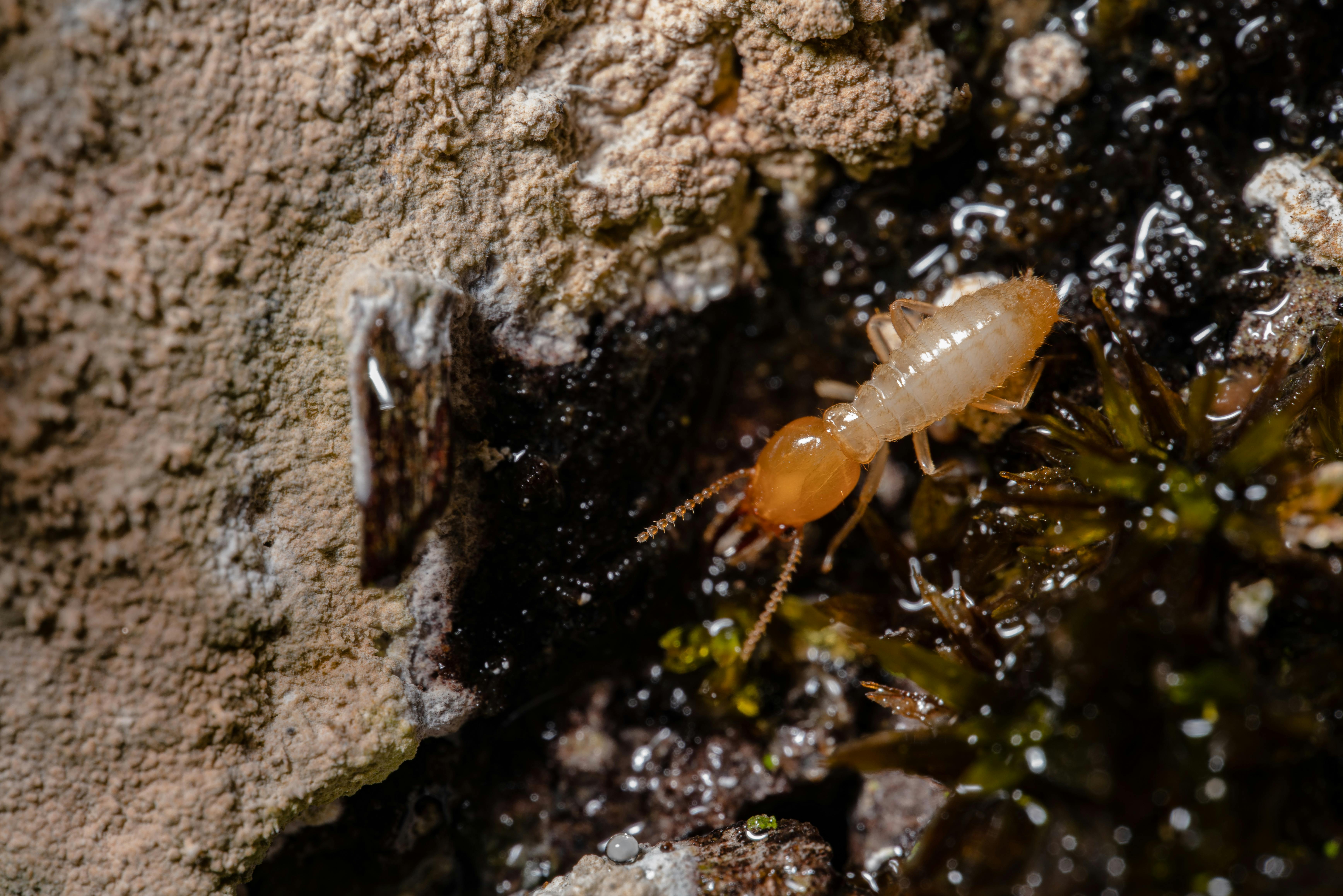
Drywood termites, he told me. In the attic framing.
My First Thought Was Tenting
Naturally, I assumed the next step was fumigation. That was the only termite solution I knew, mostly because I had seen enough houses wearing those big striped tents to think it was part of the natural life cycle of Orange County real estate.
I started working through the logistics in my head. Where would I take the dog, how much food would I have to clear from the pantry, and would the neighbors judge me or simply nod with that grim little homeowner sympathy?
I mentioned the plan to a friend over coffee, expecting him to tell me which hotel allowed dogs and had decent room service. Instead, he stopped me halfway through my rant and asked a question I was not prepared for.
“Have you looked into natural treatment?”
I had not. As far as I knew, termites meant tenting the way a flat tire meant calling someone with a tow truck.
Apparently, there were other options.
Down the Orange-Scented Rabbit Hole
Once I discover something I don’t understand, I become a menace to everyone around me. I research it obsessively, talk about it at dinner, and act like I personally invented the subject by the end of the week.
The first thing I found was orange oil treatment. The active ingredient is d-limonene, which comes from orange rinds, and the process involves drilling into the infested wood and injecting the oil directly into the termite galleries.
That appealed to me immediately because it sounded precise. The treatment targets where the termites are living and feeding, killing them on contact while leaving a residual effect in the treated wood.
No tent. No gas. No three-day evacuation.
The house could stay occupied during the work, which was important to me because my dog has the emotional stability of a cymbal crash and does not appreciate sudden changes in lodging.
Then I learned about borate treatment. Bora-Care is a sodium borate solution applied to exposed wood, where it soaks into the fibers and makes the lumber a deeply unappetizing place for termites to settle down.
Borate is more preventive than curative, at least in the way orange oil handles an active colony. That makes it especially useful during renovations, when framing is exposed and can be treated before the walls close back up.
Heat treatment rounded out my education. Instead of using gas or residue, contained sections of the structure are brought to temperatures high enough to kill drywood termites throughout the treatment zone.
By the end of my research binge, I was both relieved and slightly irritated. Relieved because I had options, irritated because nobody had told me any of this sooner.
Why Tenting Gets All the Attention
I have lived in Orange County for years, and somehow the only termite story I had ever heard was the tenting story. A neighbor got termites, the tent went up, the family disappeared for a few days, and everyone came home hoping the problem had been vaporized.
The more I read, the more I understood why fumigation dominates the conversation. It works broadly because the gas reaches through the whole structure, so it does not require the same level of precision as a targeted treatment.
That does not make it wrong. It just makes it big.
Fumigation is the brute-force option, and sometimes brute force is exactly what a house needs. But companies that default to tenting do not always have much incentive to slow down and ask whether a localized, lower-disruption treatment would solve the actual problem.
Natural termite treatment requires a more thorough inspection. The technician has to identify where the termites are, determine whether the infestation is contained, and decide whether the affected wood can actually be reached.
That takes time and skill. It also explains why not every company offers it.
The Honest Limits Matter
I will give credit where credit is due: the better sources I found did not pretend natural methods were magic. That helped me trust the information more.
Orange oil works best for localized drywood termite infestations where the colony can be found and reached. If termites have spread through multiple areas or into inaccessible voids, injection alone may not be enough.
Heat treatment has its own limits. It can be excellent for contained zones, but it depends on proper setup and may not reach every complicated pocket of a structure.

When an infestation is widespread or deeply embedded, fumigation can still be the right answer. The difference is that a company offering non-toxic termite extermination Orange County homeowners can trust should recommend tenting based on evidence, not convenience.
That was the distinction I cared about. I did not need someone to tell me what I wanted to hear. I needed someone to tell me what the house actually needed.
What Finally Worked
My infestation turned out to be localized in the attic framing. Identifiable, accessible, and thankfully not the full-blown structural horror show I had started imagining at three in the morning.
That is when I called Natural Science Exterminating. Their inspection confirmed what I had hoped: this was a good candidate for targeted treatment rather than whole-house fumigation.
They handled the active drywood termite problem with orange oil injection, then recommended borate treatment for exposed attic wood to help protect it going forward. They also scheduled a follow-up inspection to make sure the colony had been eliminated.
The whole thing was handled in a day. The dog stayed home, the pantry stayed intact, and no striped circus tent appeared over my roof for the neighborhood to gossip about.
When the follow-up confirmed the treatment worked, I felt two things at once. Relief, obviously, and a small amount of annoyance that I had nearly rearranged my whole life for a problem that took an afternoon to address.
What the Termites Taught Me
I spent twenty years in the music business, so I like to think I know when someone is selling me the most expensive option instead of the right one. Apparently, termites were my blind spot.
Natural termite treatment exists, and for a lot of drywood infestations, it can work beautifully when the inspection supports it. The catch is that you need a company willing to look carefully before recommending the biggest hammer in the shed.
Natural Science Exterminating gave me that. They inspected, explained the options, treated what needed treating, and left me with a house that did not have to become a temporary gas chamber.
If you find frass on a windowsill, damage in the attic, or anything that makes you suspect termites have moved in rent-free, do not assume tenting is your only option. Call Natural Science Exterminating and ask whether a natural termite treatment makes sense before you start packing up the dog.
Natural Science Exterminating
+17146274048
11642 Knott Ave, Garden Grove, CA 92841
Recent Comments